
Not every high-flow dialysis access can be replaced. Many patients already have a working fistula or graft that delivers more flow than the dialysis machine needs — placing a continuous, around-the-clock burden on the heart. Replacing that access means new surgery, new healing, and new risk. The flow-control stent is designed for those patients: to introduce flow control into an existing access, endovascularly, without open surgery.
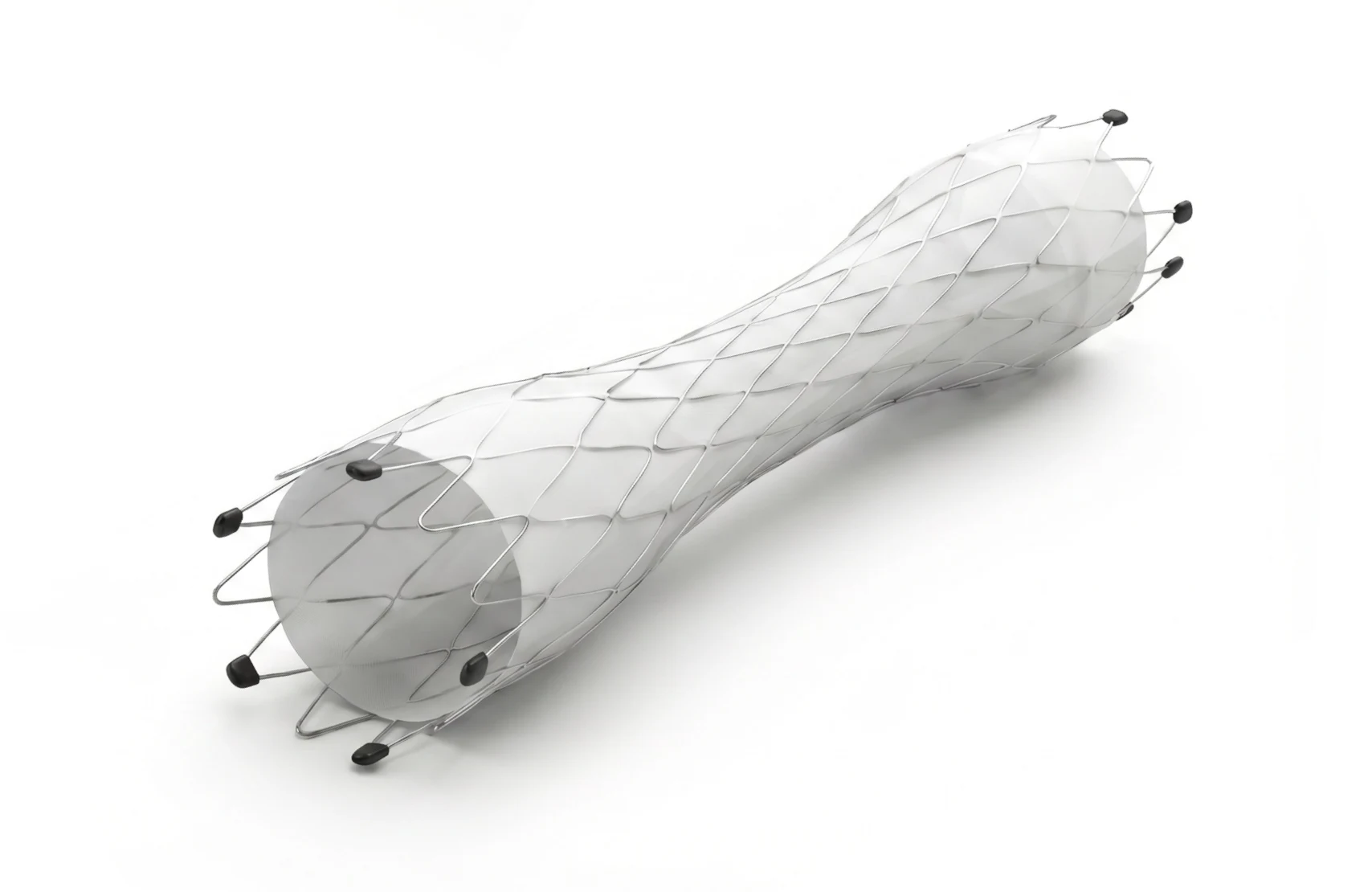
What the stent is designed to do
The flow-control stent is an endovascular device intended to introduce a calibrated flow-control geometry into an existing fistula or graft. Like the flow-control graft, it is built around the recognition that the dialysis machine and the heart have different flow needs — the machine draws only a portion of the access flow during treatment, and the remainder is continuous extra work for the heart between sessions. The stent is designed to limit that continuous excess while preserving the flow dialysis requires.
Because it is delivered endovascularly, it is designed to introduce flow control without the open surgery a replacement access would require. Whether a given device achieves this in practice is an empirical question to be answered by preclinical and clinical evidence.
Elastic flow-control mechanism · developed by VascX
Why access flow matters
End-stage renal disease affects a large and growing population — on the order of 800,000 people in the United States — most of whom depend on hemodialysis and therefore on durable vascular access. Fistulas and grafts create a sustained low-resistance circuit between artery and vein, increasing venous return and cardiac output demand continuously. Excessive access flow is associated with cardiac burden in some patients, including cardiac remodeling, pulmonary hypertension, and high-output heart failure. Introducing flow control into an existing high-flow access — without replacing it — is the problem the flow-control stent is designed to address.
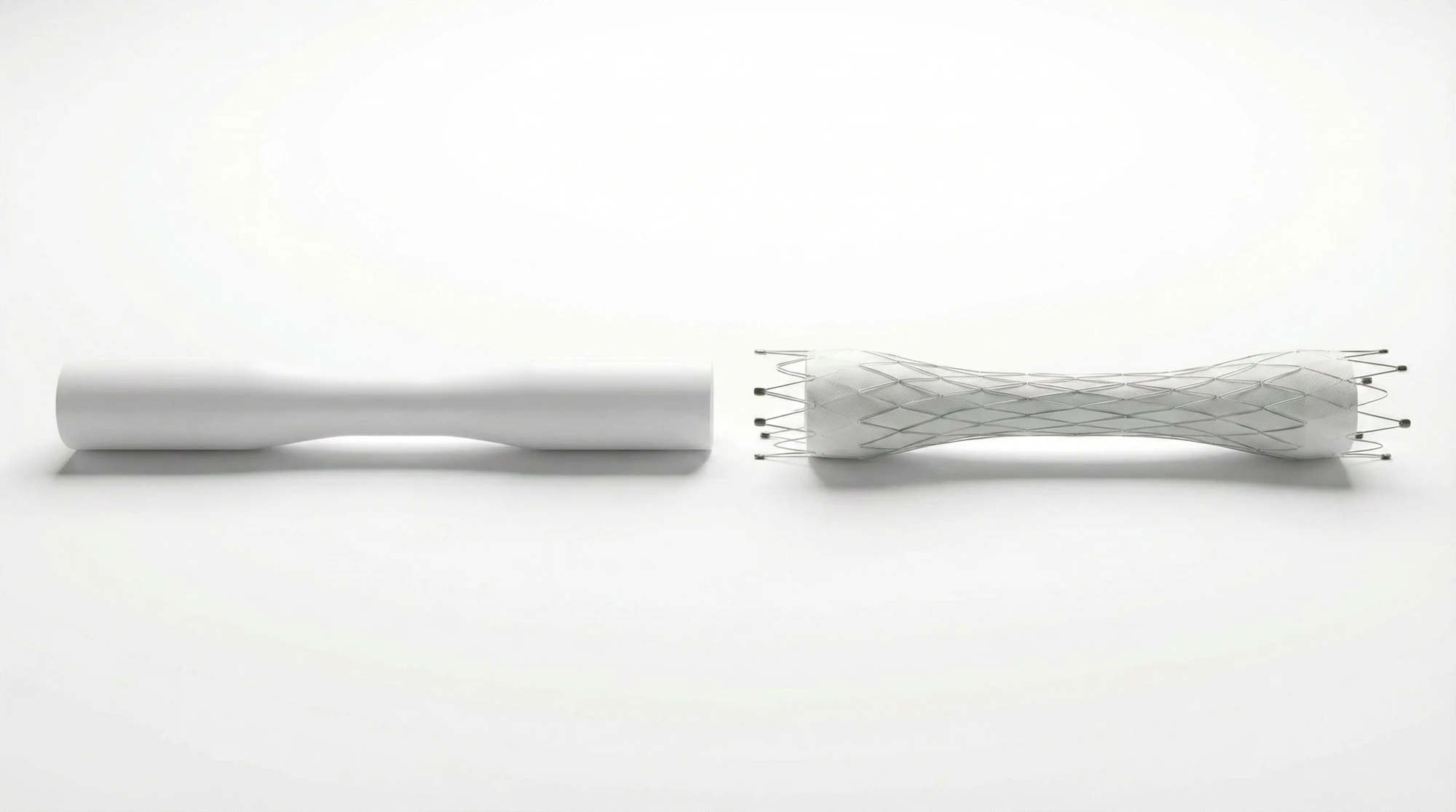
Part of the VascX flow-control platform
The flow-control stent is one half of the VascX elastic flow-control platform. Its companion — the flow-control AV graft — builds flow control into new access at the time of creation. Together, the graft and stent are intended to address both new access creation and existing high-flow access.
Developed by our subsidiary
The flow-control stent is developed by VascX, Principal Medical's dialysis-access subsidiary, as part of its patented elastic flow-control platform. For the full technical detail on the device and platform, visit the VascX site.
Read more at vascx.com →
Investigational status: Principal Medical's portfolio platforms and the products referenced here are currently in development and are not yet cleared or approved by the U.S. Food and Drug Administration.